AI Filmmaking FAQ
The questions people actually ask before they start. Short answers. If you want the long version — including the philosophy behind each one — that lives inside AI-AI Kreativ Film Lab.
Do I need to know filmmaking first?
No. What you need is an idea you actually care about — the one you've been carrying and waiting for permission to make. It does not have to be a story yet. Turning a loose idea into a story is the first thing we do. If you've never made anything, start with a three-shot scene: beginning, middle, end. The craft builds fast once you're finishing things instead of studying them.
Do I need a finished story before I start?
No. Most people arrive with fragments — a character, a scene, one sentence in a notebook. Turning a loose idea into a story is step one, not a prerequisite. It is the part most AI courses skip, and the reason so many AI films look good and feel like nothing.
Which AI tools should I use?
The ones that solve today's problem — and that changes fast. What matters is skill, not software. The principles of directing, prompting, story and rhythm transfer across almost every generator. Pick one for image, one for video, one for voice, and switch when something better shows up.
How much does it cost?
Learning it: $7/month as a founding member inside AI-AI Kreativ Film Lab, locked for life. Making with it: as low as $20–30/month if you're careful, more if you generate heavily. Treat it like film stock — budget per project, not per whim.
Why do my AI videos look random?
Because the prompt is vague or the character isn't locked between shots. Fix two things: describe every shot with subject, action, camera and light — and generate a character reference sheet you reference in every prompt. That's 80% of the fix.
How do I keep my films from looking generic?
Choose. Pick a palette. Pick a lens. Pick a rhythm. Reject the default. The reason most AI films look the same is that no one is directing away from the tool's average — and the average is what everyone else is also generating.
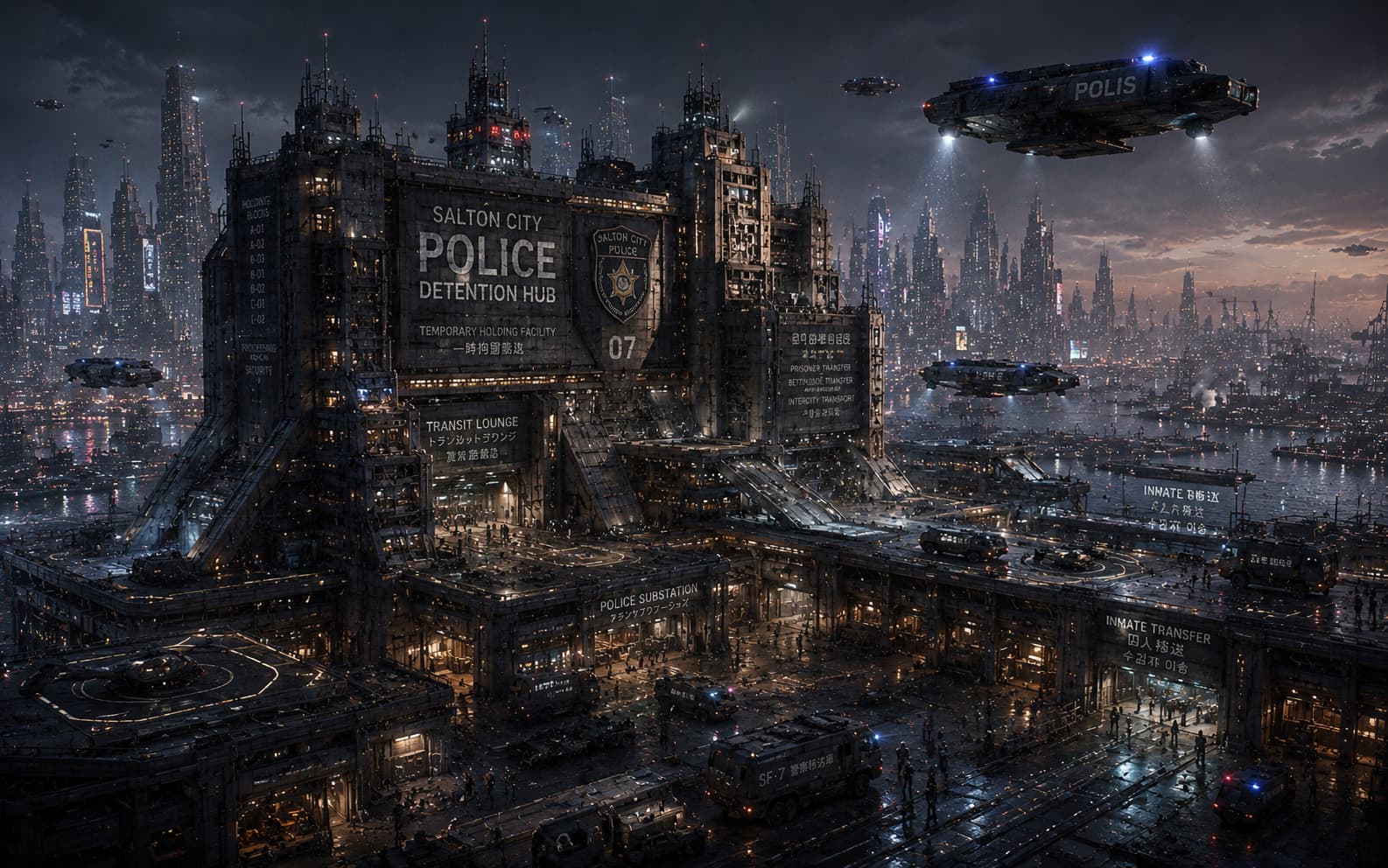
Isn't AI going to do all this for me soon?
No — and that's the point. AI will keep getting better at generating. It will never get better at knowing what your film is about. Your taste, your point of view and the choices only you can make are what stays yours. The tool removes the waiting; the direction is still on you.
Can I use AI films commercially?
In most cases yes, but the licence depends on the tool. Read the terms of each generator before you publish paid work. Some allow full commercial use, some require a paid tier, some restrict certain content types. Keep receipts.
Do I need to be able to draw?
No. A reference can be a photograph, a still from a film you like, a written sentence or a piece of music. It helps to sketch, but a rough thumbnail or a written shot list works just as well. What matters is that you decide what the scene should be before you generate it.
How long does a short film take?
A three-minute short, made well, is a few weekends of focused work — one to write, one to build character and shots, one to generate and edit. Faster if you're loose; slower if you're picky. Either is fine; finished beats perfect.
More context in What is AI filmmaking? and the full step-by-step process.
Join the Film Lab →The Film Lab is not for everyone. If you want AI to do all the work for you, this isn't your place. We use AI — but we stay in charge: your taste, your time, your point of view. If you treat your work as art, you'll fit right in.