What Is AI Filmmaking?
AI filmmaking is making films where generative AI produces images, video, voices or sound — while a human directs the story, chooses the shots and decides what stays. For most of us it removes something we used to need: permission. Permission from a studio, a producer, a budget. If you can direct it, you can now make it. That's the real shift — and it means a loose idea can become a finished AI film without a studio behind you.
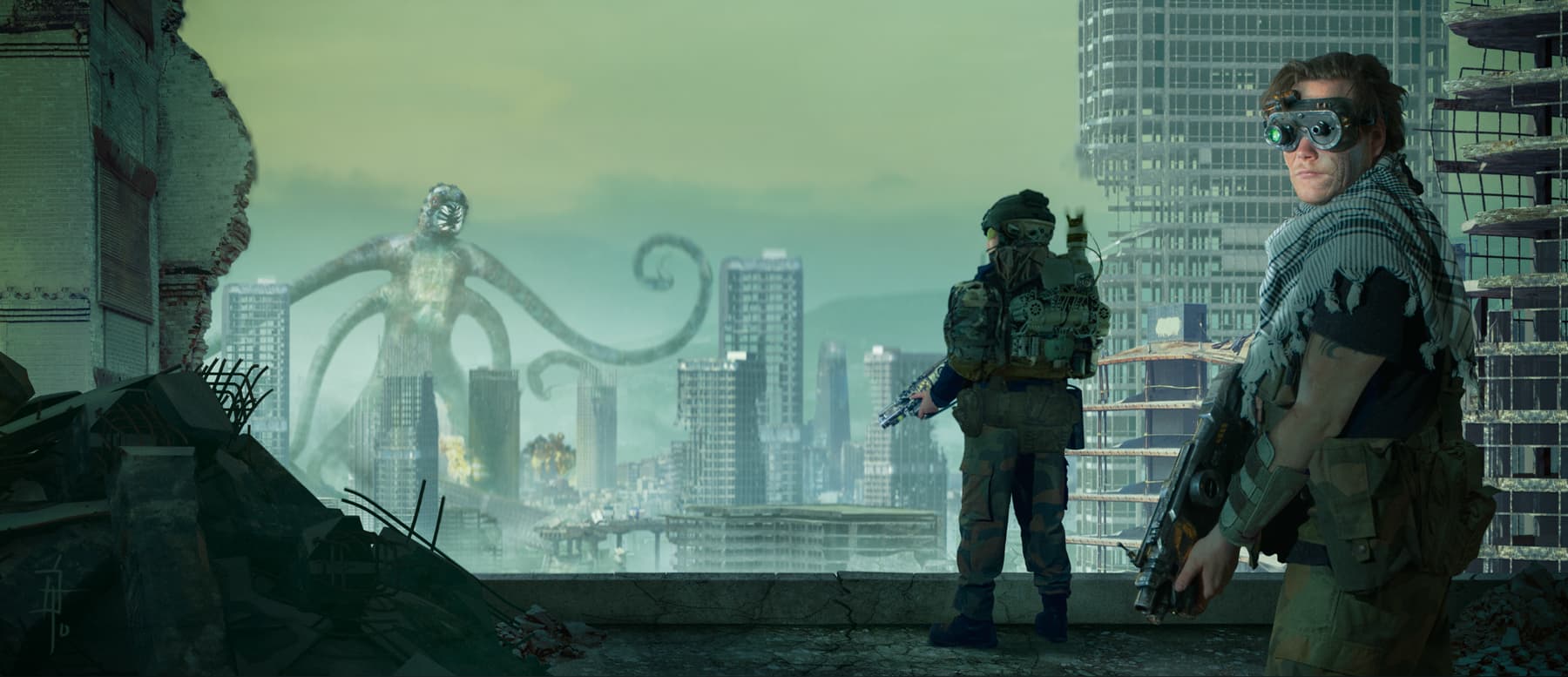
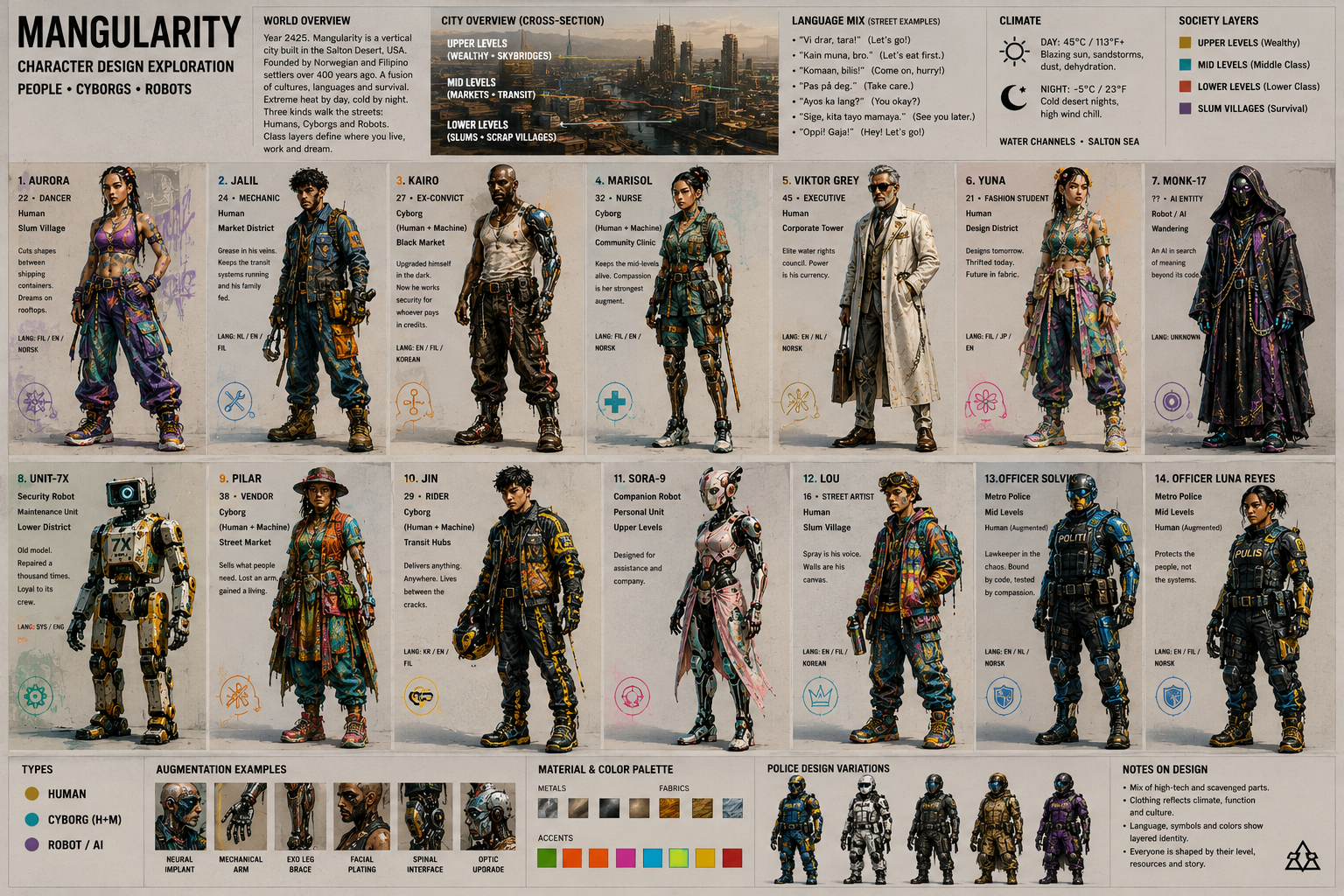
What AI can and can't do today
AI can generate believable images and short shots from a written prompt. It can voice characters, score scenes, extend backgrounds and try 40 variations in an hour. What it can't do is know what your film is about. It can't feel the pause before a line lands. It has no taste. That part is yours.
What this actually changes
You stop waiting. The idea you've carried for years — the one you never had a budget for — is now something you can direct this month. Not by handing it to AI and hoping. By staying in charge: your idea, your taste, your point of view. The tool just answers faster.
Why it doesn't replace storytelling
A beautiful shot with nothing under it is a screensaver. What makes a scene work is the same thing that has always made scenes work — a character wants something, someone or something stands in the way, and a choice is made. AI can generate the frame, but the story is a decision only you can make.
Why most AI films feel empty
Because they're prompt collages, not films. Random visuals, no character, no arc, no reason to care by minute two. The tools default to spectacle. Without a director pulling in the other direction, that's exactly what you get.
Do you need a finished story before you start?
No. Most people arrive with fragments — a character, a scene, one sentence in a notebook. Turning a loose idea into a story is the first step, not a prerequisite. It is also the part most AI courses skip entirely, which is why so many AI films look good and feel like nothing.
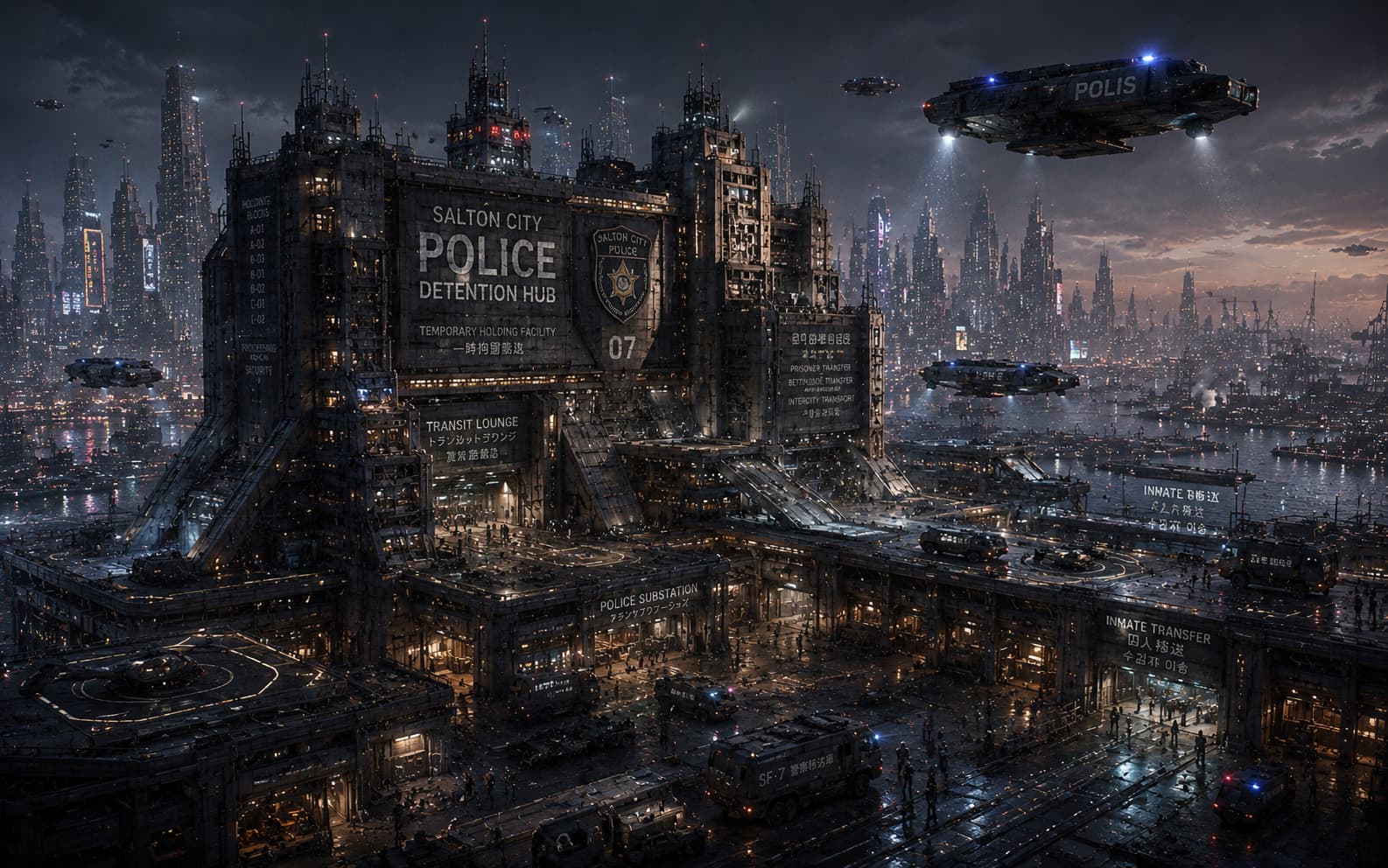
Who this is actually for
Storytellers, filmmakers, illustrators, concept artists and worldbuilders who've been waiting for permission they were never going to get. If you already treat your work as art, AI just removes the wait. You direct. The tool answers.
If you want the full method, that's what AI-AI Kreativ Film Lab teaches: from idea to finished short film. See the step-by-step process or read the FAQ.
Join the Film Lab →Not for you if you're happy with AI slop. Here, you use AI to tell your story, in your style — so people feel your touch, not the tool.